
The Value of Good Product Photography and Food Photography
In today’s visually-driven world, images have the power to influence decisions, build trust, and create emotional connections. This is especially true in the realms of product and food photography, where the quality of images can directly impact how a brand is perceived, how products are sold, and how experiences are shared. Whether you’re an e-commerce business, a restaurant owner, or a food blogger, good photography is more than just a creative endeavor—it’s an essential business tool.
This blog will delve into the value of good product and food photography, exploring how high-quality images enhance marketing efforts, build brand identity, and ultimately drive sales. We’ll look at both the technical and emotional elements that make great photography a key investment for businesses of all sizes.
1. The Importance of First Impressions in a Competitive Market
In both the product and food industries, first impressions matter immensely. Potential customers often make purchasing decisions within seconds, and the first thing they notice is the visual presentation. Whether it’s an online store, a restaurant menu, or a social media post, good photography grabs attention and invites viewers to explore further.
For product photography, this means showcasing items in a way that highlights their best features—whether it’s the texture of a fabric, the sheen of a luxury item, or the functionality of a tech gadget. High-quality, well-lit product photos can make even simple items appear premium and desirable. Poor-quality images, on the other hand, can make the product look cheap or untrustworthy, discouraging potential buyers from making a purchase.
In food photography, the stakes are even higher. People eat with their eyes first, and a beautifully presented dish can spark cravings and convince diners to choose one restaurant or dish over another. A blurry or poorly composed food image, however, can make even the most delicious meal look unappetizing. The ability to convey the taste, texture, and aroma of food through images is critical in industries like hospitality, catering, and food blogging.
2. Building Trust and Credibility
Trust is essential for both e-commerce businesses and food establishments, and good photography plays a key role in building this trust. Customers want to know that the product or dish they see online or in marketing materials will look the same (or better) when they receive it or visit the establishment.
For e-commerce businesses, good product photography provides transparency. Multiple angles, close-up shots, and lifestyle images that show the product in use can help consumers feel confident that they understand what they’re purchasing. This reduces the likelihood of returns, negative reviews, or customer dissatisfaction, all of which can hurt a brand’s reputation.
For restaurants and food businesses, accurate and appealing food photography builds trust by setting expectations. When a customer sees a beautifully photographed dish on the menu or on social media, they expect their dining experience to match that visual. Consistency between the imagery and the actual experience is key to maintaining a loyal customer base.
Moreover, in both industries, good photography helps to convey a sense of professionalism. Brands that invest in high-quality images appear more trustworthy and established, which can be particularly important for new or small businesses trying to gain a foothold in the market.
3. Enhancing Brand Identity
Photography is one of the most powerful tools for establishing and reinforcing a brand’s identity. The style, tone, and quality of the images a brand uses can convey a great deal about its values, target audience, and market positioning.
For product photography, this means creating a cohesive visual language that aligns with the brand’s identity. For example, a luxury fashion brand might use high-contrast, minimalist images with soft lighting to emphasize sophistication and elegance. A lifestyle brand targeting younger consumers might opt for vibrant, dynamic shots that evoke a sense of fun and adventure. The way a product is photographed—whether in a controlled studio environment or out in the real world—can help define the narrative of the brand and speak directly to its audience.
In food photography, brand identity is similarly crucial. A rustic, farm-to-table restaurant may favor natural lighting and earthy tones in their images, emphasizing the freshness and organic origins of their dishes. A fast-casual restaurant might go for bold, colorful, close-up shots that highlight the indulgence and convenience of their food. In either case, the images not only promote the food but also reflect the restaurant’s values, atmosphere, and target demographic.
By maintaining consistency in photography style, businesses in both industries can reinforce their brand’s identity and create a more recognizable, memorable presence in the minds of consumers.

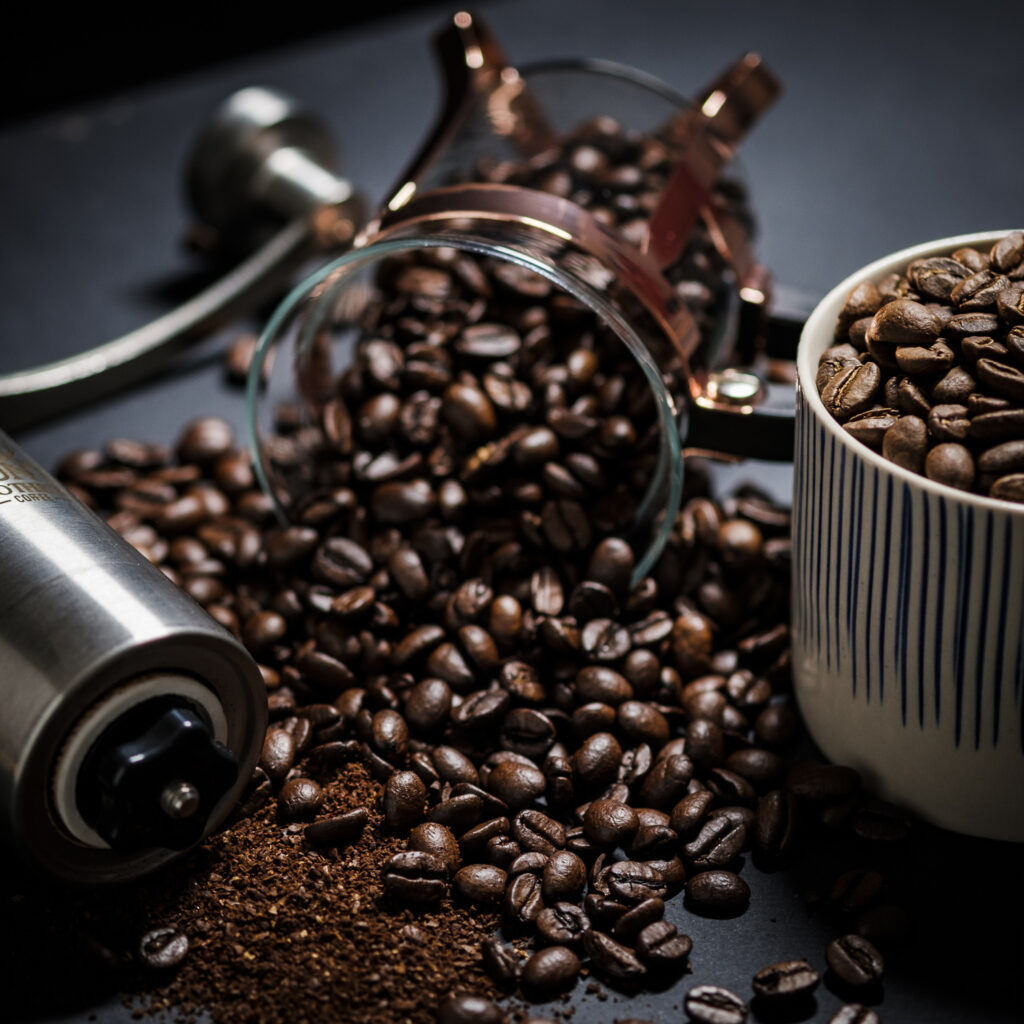
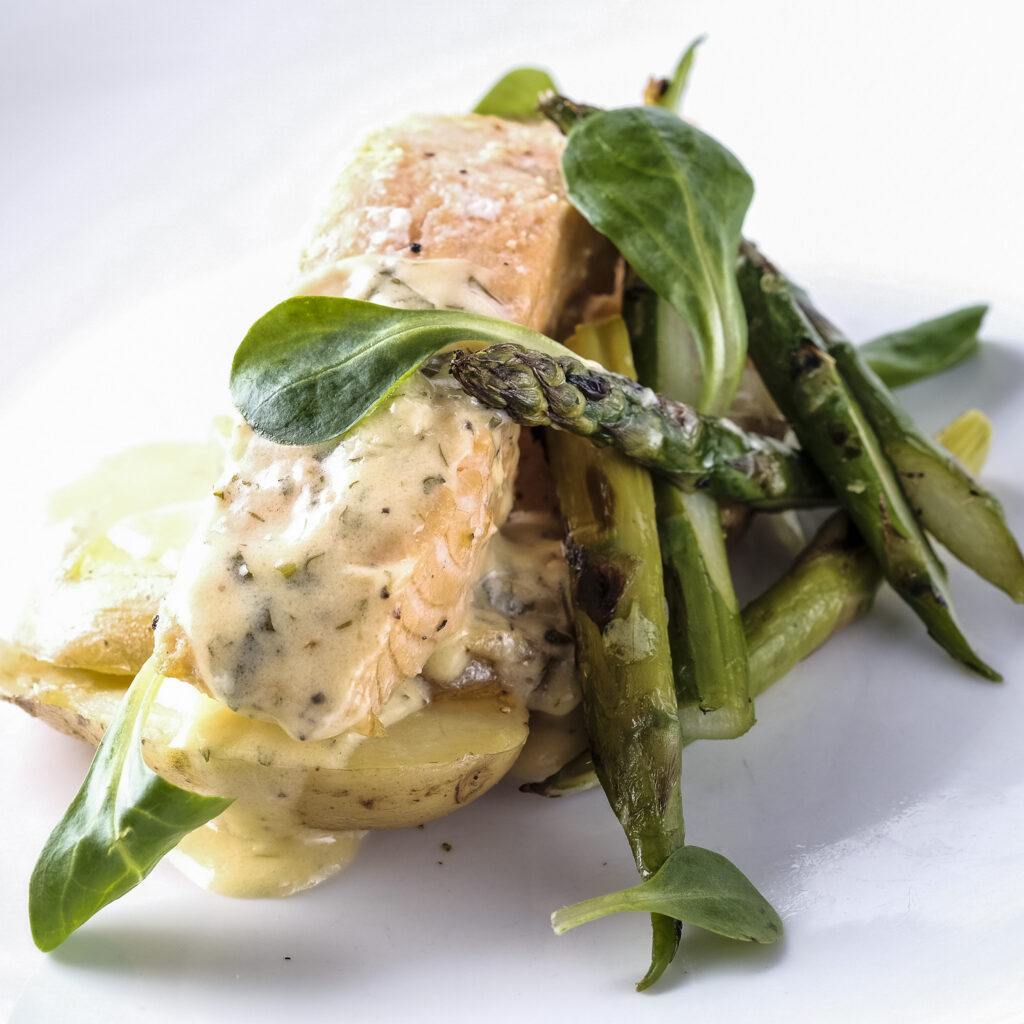

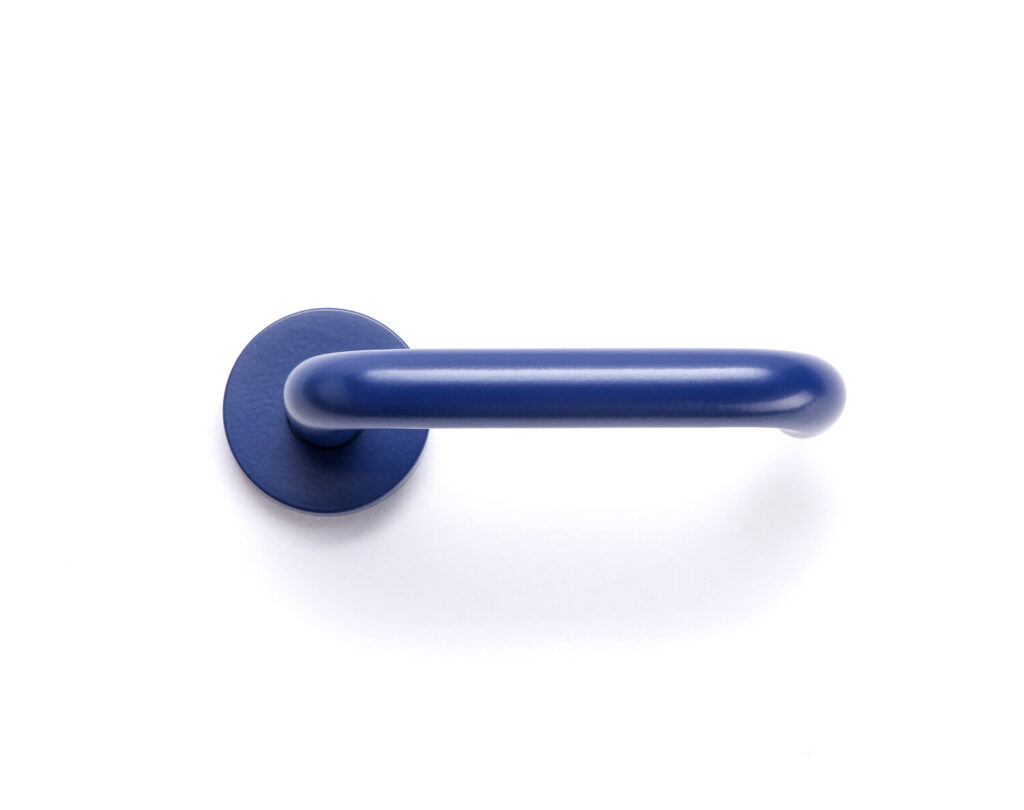

4. Influencing Consumer Behavior and Driving Sales
Good photography is directly linked to increased sales, especially in industries where the visual appeal of the product or dish is a key selling point. Numerous studies have shown that consumers are more likely to purchase an item or visit a restaurant after seeing high-quality, appealing images.
In e-commerce, products with clear, professional images are more likely to convert shoppers into buyers. Multiple studies have shown that poor-quality images can deter customers, as they are unable to fully understand what they are purchasing. Conversely, when consumers can clearly see what they are buying, and when the product is presented in the best possible light, they are more likely to make a purchase. Additionally, having multiple, high-quality images of a product can lead to higher trust and a stronger sense of transparency, reducing the hesitation to buy.
In food photography, appealing images have a direct impact on diners’ choices. Many restaurant-goers decide what to order based on images they’ve seen in menus, advertisements, or social media. Photos of well-presented food trigger cravings and create a sense of anticipation. They can also encourage impulse purchases—whether it’s an extra dish, dessert, or drink—leading to higher sales for the restaurant. In fact, platforms like Instagram have become invaluable for restaurants as they allow food businesses to visually market their dishes to a wide audience with minimal effort.
5. Differentiating Yourself in a Crowded Market
One of the key benefits of good product and food photography is its ability to differentiate a business from its competitors. In today’s crowded and highly competitive marketplaces, where countless brands are vying for the same audience, photography can serve as a crucial point of distinction.
For product-based businesses, photography can set a brand apart by highlighting unique features, craftsmanship, or lifestyle appeal. In industries where many products may be similar, such as fashion or electronics, creative photography can make a product stand out. For instance, a minimalist, monochrome photo of a high-end piece of jewelry can evoke luxury and elegance, distinguishing it from more standard product shots.
In the food industry, photography is equally important for differentiation. With so many restaurants offering similar types of cuisine, the way food is photographed can make one establishment more appealing than another. A well-executed photo of a burger, for example, can differentiate a casual dining restaurant from competitors by emphasizing unique selling points such as freshness, portion size, or gourmet ingredients. Additionally, unique or creative photography styles, such as overhead shots, extreme close-ups, or action shots (e.g., a chef at work), can further set a brand apart.
6. The Technical Aspects That Make Good Photography
Behind every stunning product or food photograph is a great deal of technical expertise. While anyone can take a photo with a smartphone, the difference between amateur and professional photography lies in understanding key elements such as lighting, composition, focus, and editing.
For product photography, lighting is especially important. Harsh or uneven lighting can create unflattering shadows or reflections, while soft, even lighting brings out the details of the product. Composition—the way the product is framed within the shot—also plays a critical role in ensuring the product is the focal point. Professional photographers often use advanced equipment and techniques such as macro lenses, controlled studio lighting, and post-processing software to ensure that the product looks flawless.
In food photography, lighting is also crucial. Natural light is often favored because it brings out the vibrancy and texture of the food. However, it requires skill to manage, especially when photographing in different settings. Composition is equally important, as it directs the viewer’s eye to the most appetizing aspects of the dish. Props, backgrounds, and color palettes are used strategically to enhance the overall mood and story of the image. Editing, meanwhile, helps to fine-tune colors, adjust brightness, and remove distractions.
7. Investing in Professional Photography
Given the importance of good product and food photography, it’s clear that investing in professional photography services is a